Making The Perfect Scrambled Eggs
Teaching Demo
Steven Mesquiti
Why This Matters
- Scrambled eggs seem simple, but most people do them wrong
- The difference between rubbery, dry eggs and creamy, luxurious eggs is technique
- This demo (if we had a kitchen) will teach: preparation, timing, and temperature control
Learning Objectives
By the end of this demo, you will be able to:
- Identify the key principles of perfect scrambled eggs
- Apply proper heat control and timing techniques
- Evaluate when eggs are perfectly done (before they look done!)
The Three Principles
1. Low & Slow
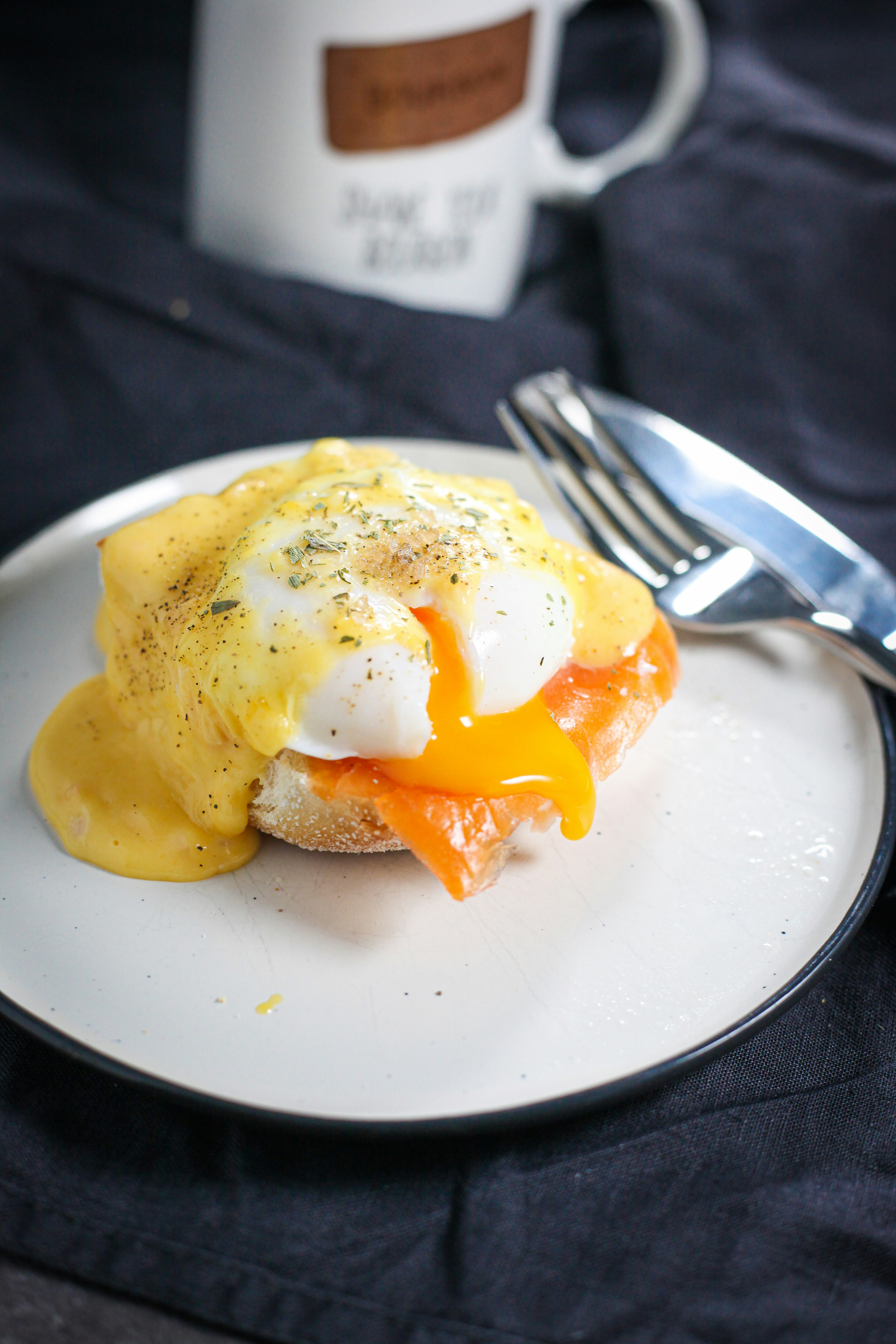
Gentle heat = creamy texture
2. Constant Motion
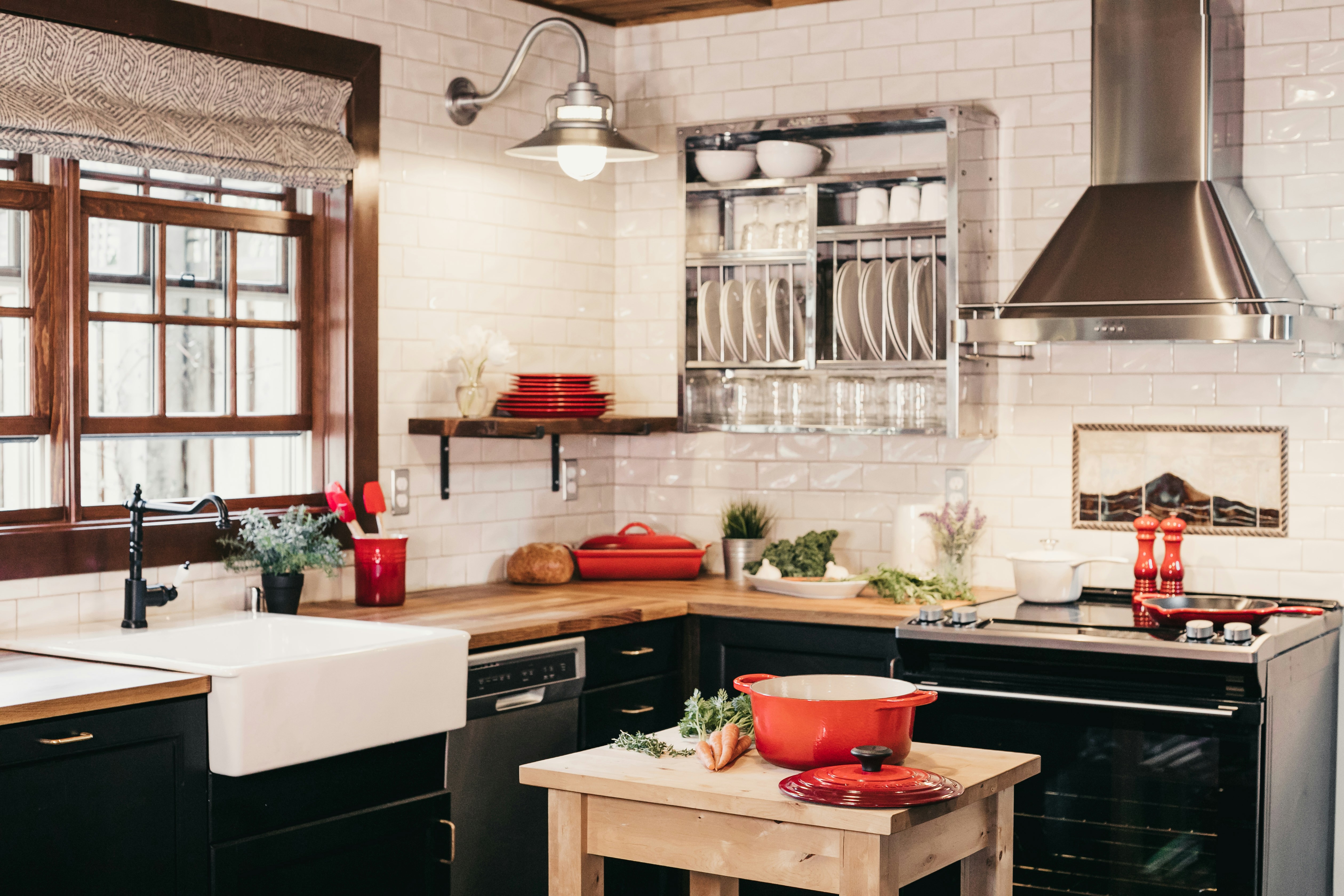
Keep stirring = even cooking
3. Pull Early

Remove before “done” = perfect eggs
Ingredients & Tools
What You Need:
- 2-3 large eggs (jumbo preferred)
- 1 tablespoon unsalted butter
- Cheese (optional)
- Salt and pepper
- Dried herbs (optional)
- Non-stick pan (stainless steel works best)
- Rubber spatula
Note:
“Why butter instead of oil?”
Answer: Butter’s lower smoke point allows for gentler cooking
Step 1: Preparation
- Crack eggs into a bowl
- Whisk vigorously for ~30 seconds until uniform and slightly frothy
- There should be no visible streaks of white in your eggs
Why this matters: Incorporating air creates fluffiness and volume
💡 Common Mistake: Not whisking enough—lumps of white lead to uneven cooking
Step 2: Heat Control (Critical!)
The Process:
- Set burner to medium-low (3-4 out of 10)
- Melt butter until foaming stops
- Add eggs—should gently sizzle, not violently
Temperature Check: Hold your hand 4 inches above pan for 3 seconds
Most Common Error
Too much heat = rubbery eggs
“If it’s cooking fast, it’s cooking wrong”
Step 3: The Cooking Technique
Continuous Gentle Stirring
- Use silicone spatula to push eggs from edge to center
- Slow, deliberate movements—not frantic scrambling
- Create large, soft curds
- Timing: This should take ~3-4 minutes total depending on your stove
Step 4: Cooked!
When am I done?
When eggs look 80% done
- Still look slightly wet and glossy
- Remove from heat immediately
- They’ll continue cooking (carryover heat)
- Serve immediately on a warm plate
- Add cheese and herbs if desired
⚠️ If they look fully cooked in the pan, they’re overcooked on the plate!
Visual Guide: Done vs. Overdone
✅ Perfect
- Soft, large curds
- Slightly glossy
- Creamy texture
- Holds shape but jiggles
❌ Overcooked
- Small, tight curds
- Dry, matte appearance
- Rubbery texture
- Weeps liquid
Troubleshooting Guide
| Problem | Cause | Solution |
|---|---|---|
| Rubbery texture | Heat too high | Lower temperature, stir more |
| Watery eggs | Undercooked | Return to heat briefly |
| Dry, crumbly | Overcooked | Remove earlier next time |
| Uneven curds | Poor whisking | Whisk eggs thoroughly before |